Is Your Communications Continuity Plan Ready? 

Why 911 Dispatch Centers Can’t Afford to Wait  

Introduction 

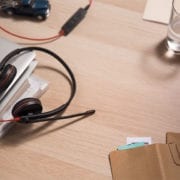
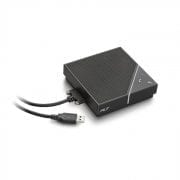
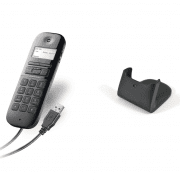
What happens when your lifeline to the field depends on hardware that’s about to disappear? Poly’s recent announcement that it will no longer manufacture or support its specialty dispatch communications products — including headsets, cords, and accessories — has left many 911 and critical communications centers facing an uncomfortable reality: 

Inventory is shrinking. Repairs are limited. Support is ending. For agencies that depend on these devices every second of every day, this isn’t just a procurement issue — it’s a continuity issue. 

Is Your Communications Continuity Plan Ready

The Challenge: Shrinking Supply, Growing Risk 

In public safety communications, redundancy is everything. Yet with Poly exiting the dispatch hardware market, many organizations are finding that redundancy has vanished from their supply chain. 

Common challenges we’re hearing from agencies include: 

  • Dwindling Inventory: Some models and cords are already back-ordered or discontinued, making replacements unpredictable. 
  • Unsupported Equipment: Once support ends, there’s no path for repairs, firmware updates, or warranty coverage. 
  • Procurement Delays: Budget cycles and vendor approvals mean sourcing alternatives can take months — time most agencies don’t have. 
  • Operational Exposure: A single failed cord or headset could sideline a workstation during peak call volume. 

If your team hasn’t yet addressed this, now’s the moment to start a conversation about what comes next. 

Is Your Communications Continuity Plan Ready

Rethinking Continuity: Three Steps to Stay Operational 

  • Audit What You Have — and What’s at Risk. 
    Create a simple inventory of your current headset models, cords, and adapters. Identify which items are tied to Poly’s discontinued SKUs. This snapshot will help you anticipate where shortages will hit first. 
  • Evaluate Supported Alternatives. 
    Manufacturers like JPL and SHG (Secure Headset Group) are actively developing long-term solutions for dispatch environments. These headsets maintain compatibility with major console systems (Motorola, Avtec, Zetron) while offering replaceable parts and long lifecycle support. 
  • Build a Transition Timeline — Before You’re Forced To. 
    Don’t wait until something breaks. Work with a communications partner who can help you phase in new equipment gradually, test compatibility, and train users — ensuring zero disruption when the switch happens. 
Is Your Communications Continuity Plan Ready

Why It Matters 

When a dispatcher picks up a call, there’s no tolerance for failure. But maintaining reliability isn’t just about hardware — it’s about planning ahead. 

By addressing these changes now, agencies can: 

  • Avoid downtime and emergency replacements 
  • Protect budgets with planned procurement cycles 
  • Ensure seamless communication across every console and position 

Call to Action 

Have you discussed your plan yet? 

Our Critical Communications Team can help you assess your current equipment, identify risks, and map a path forward with certified, long-term solutions. 

👉 Visit our Critical Communications page to learn more or book a consultation. 

0 replies

Leave a Reply

Want to join the discussion?
Feel free to contribute!

Leave a Reply

Your email address will not be published. Required fields are marked *