Introducing the Logitech Zone 305 for Business: A New Standard in Professional Audio
As technology evolves, so does the demand for high-quality, reliable audio solutions in professional environments. At Infocomm 2024, I had the opportunity to visit the Logitech booth and receive a sample of their latest innovation—the Logitech Zone 305 for Business headset. This new headset, with its advanced features and exceptional performance, is set to redefine the standards for business communication.

Unpacking the Logitech Zone 305 for Business
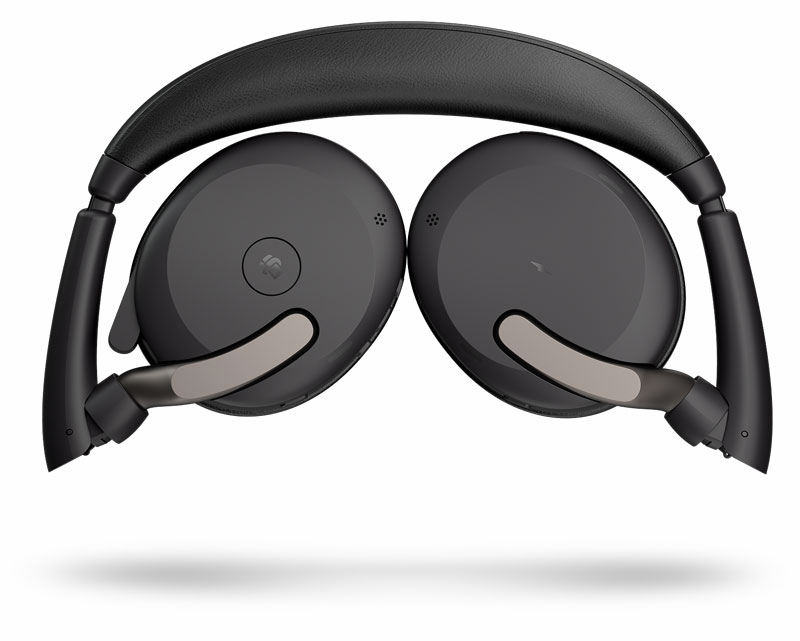
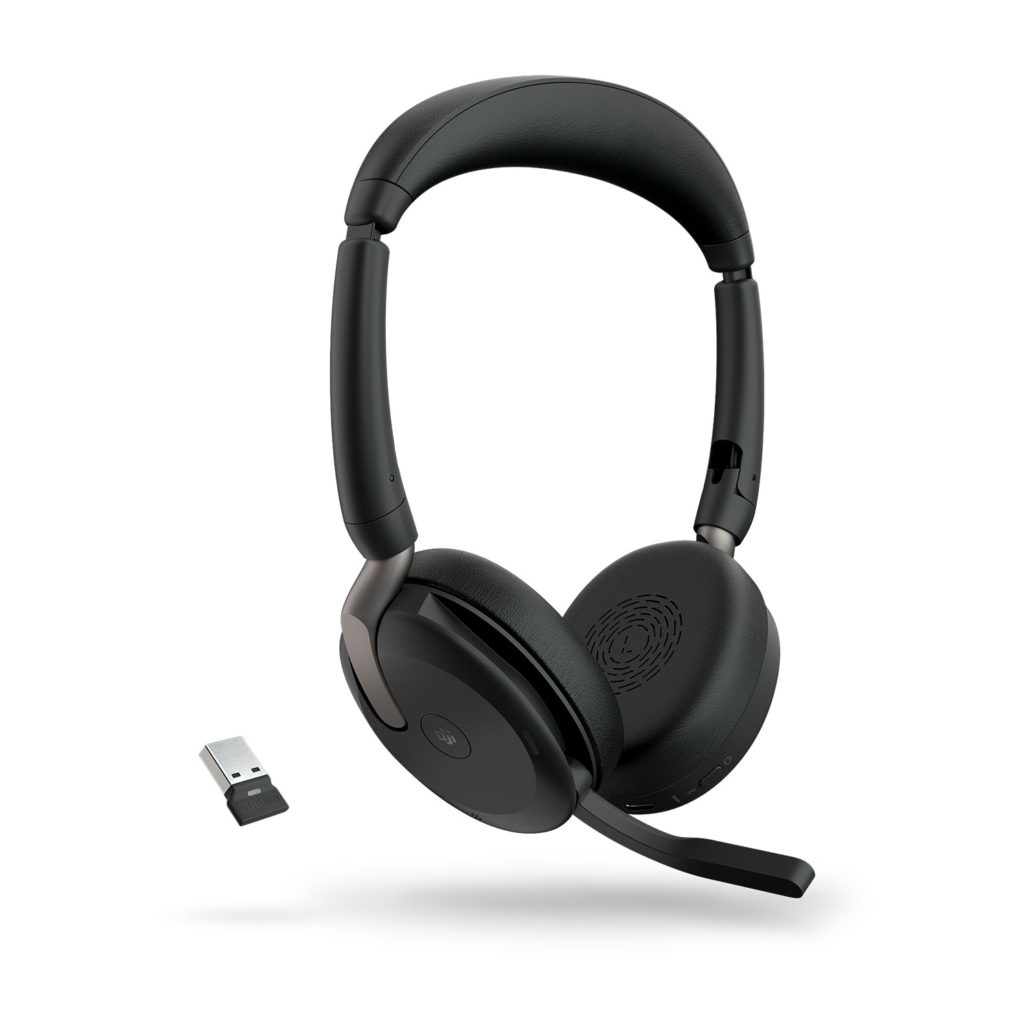
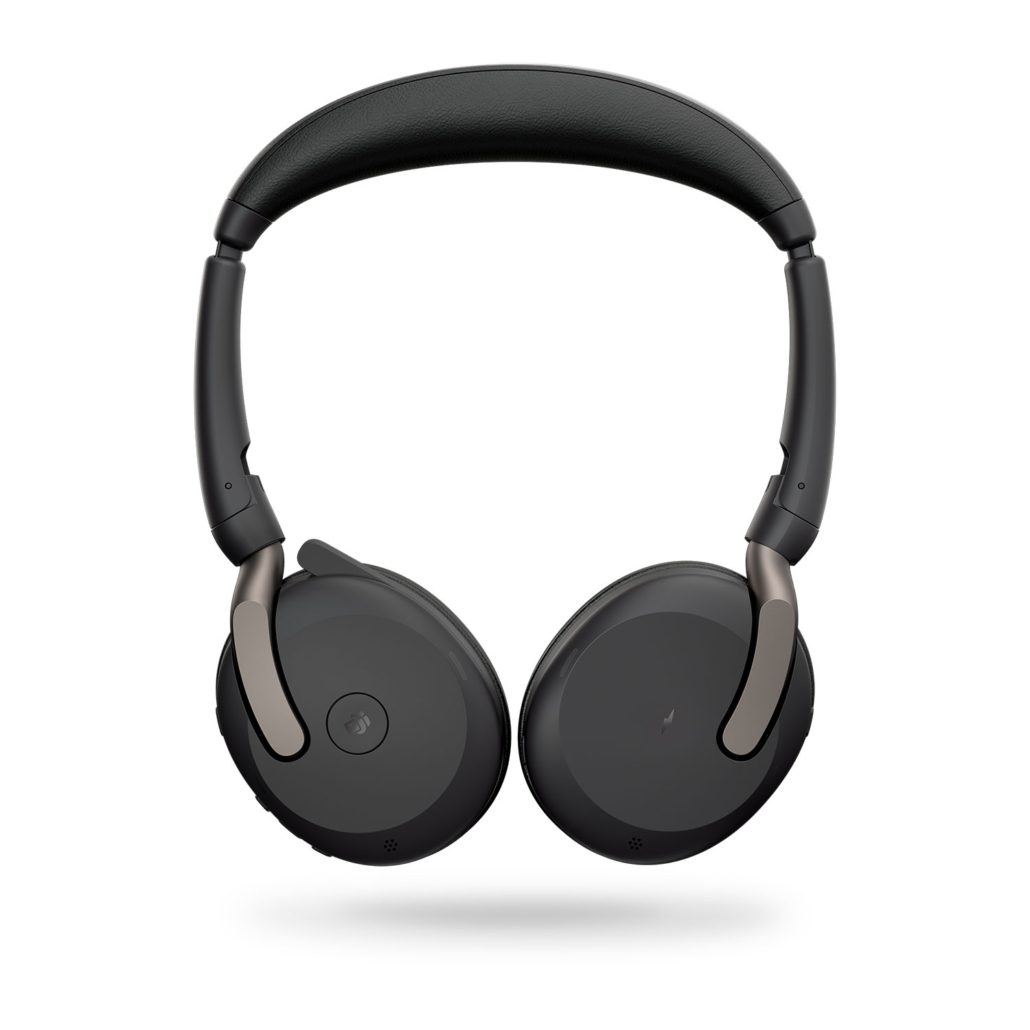
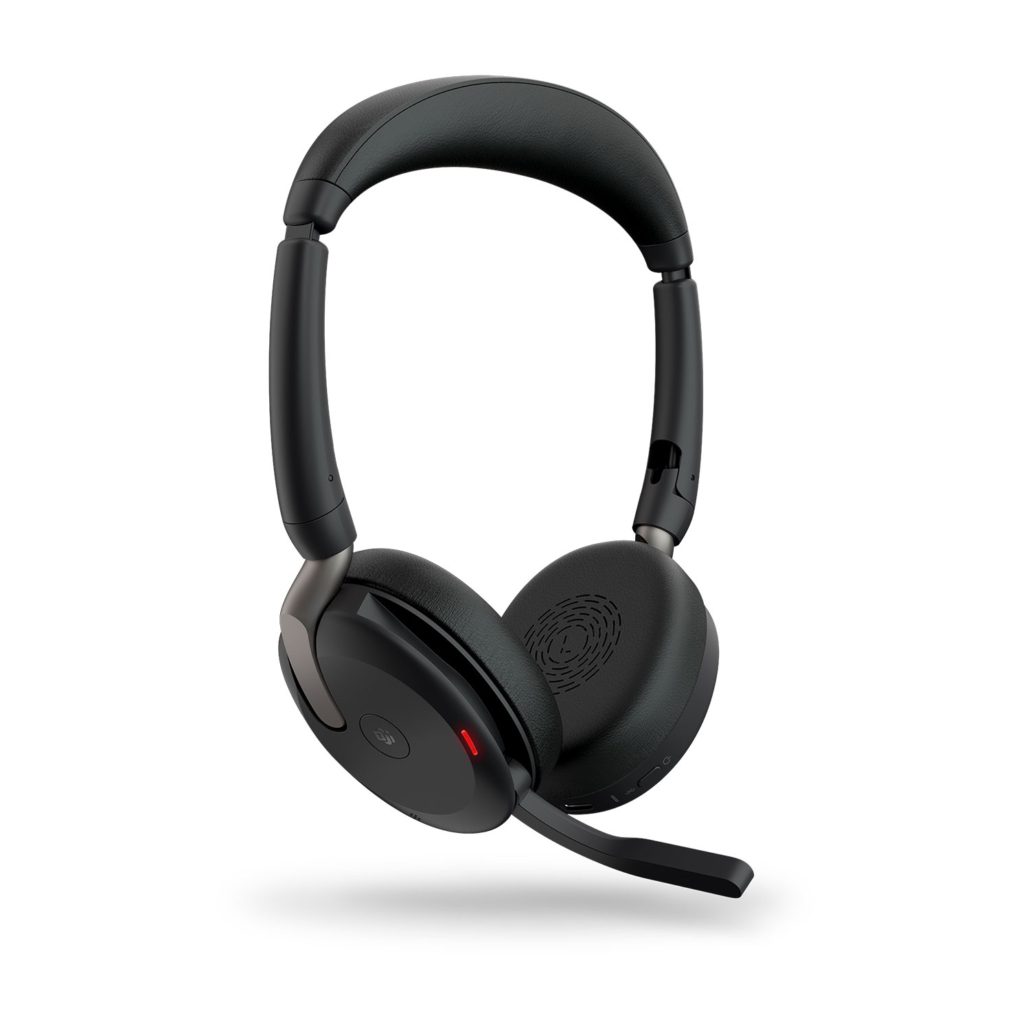
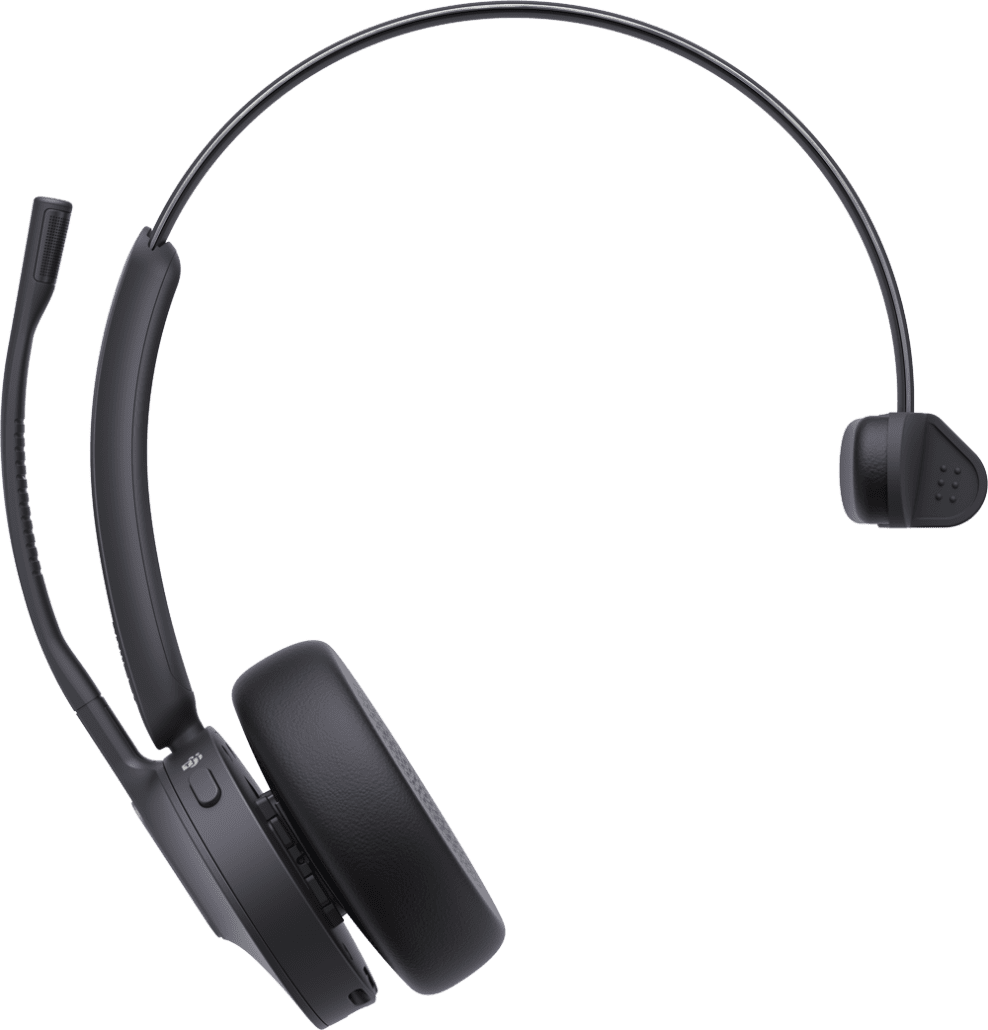
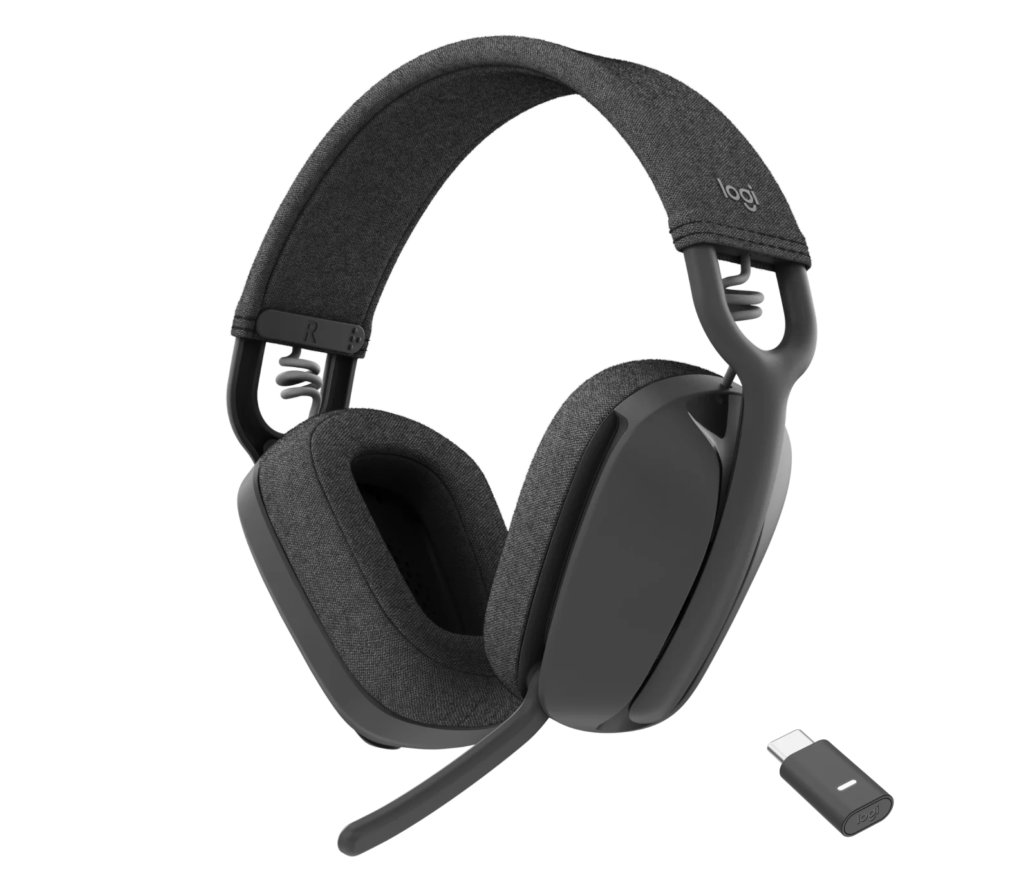
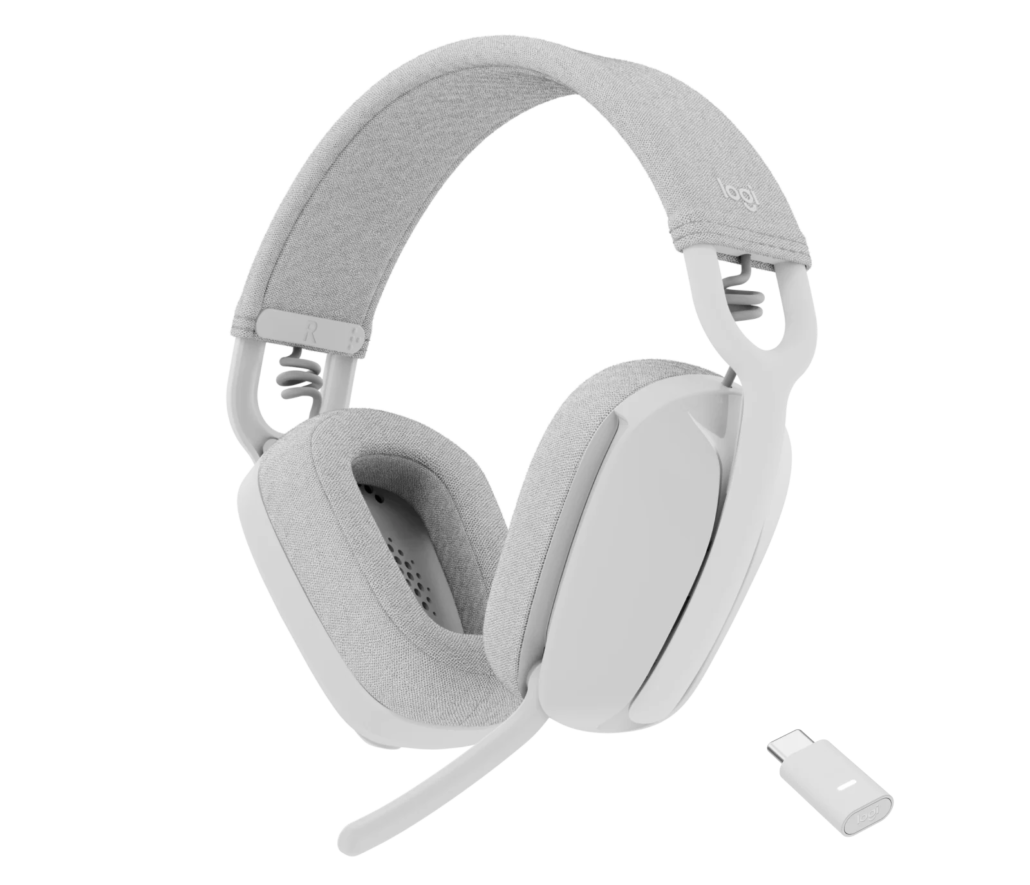
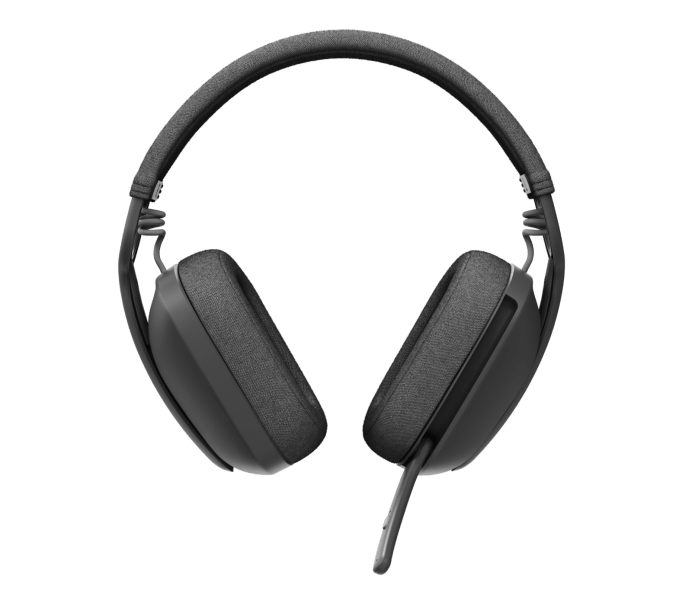
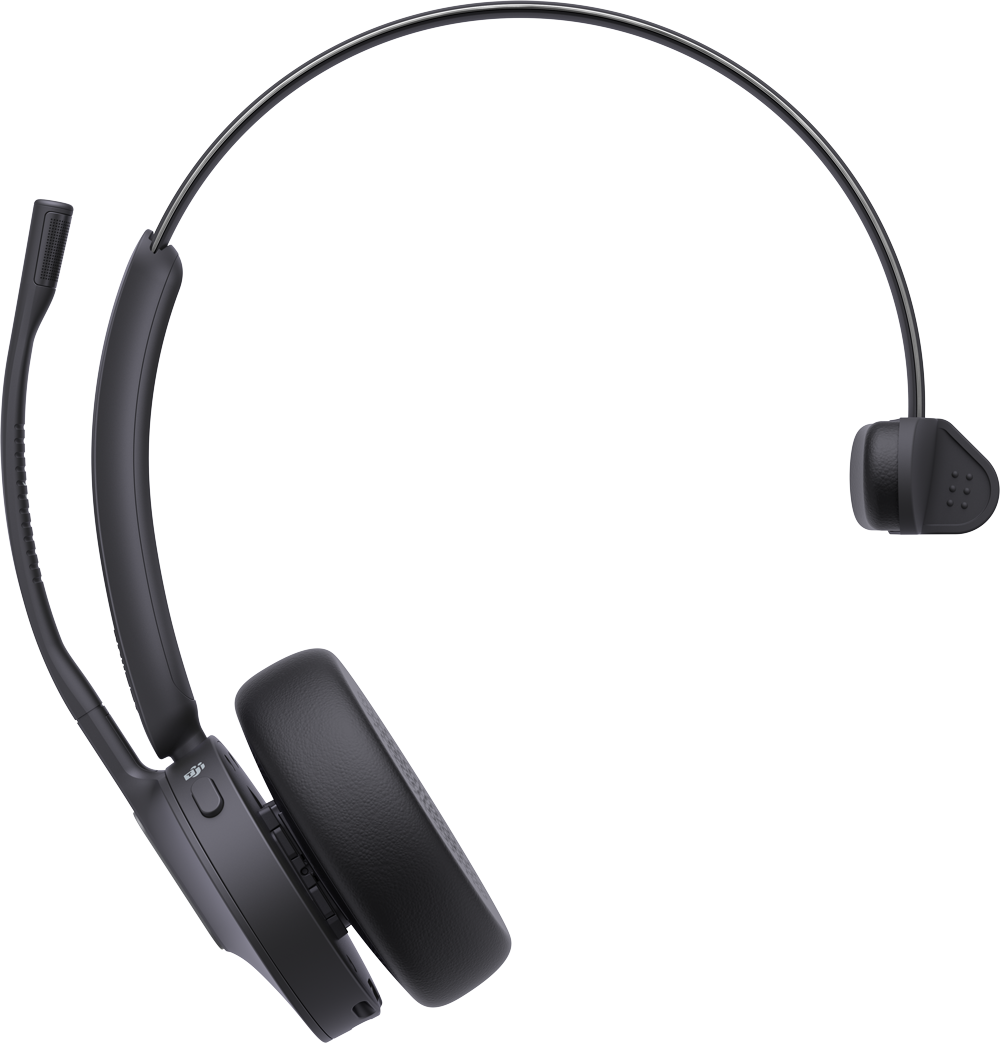
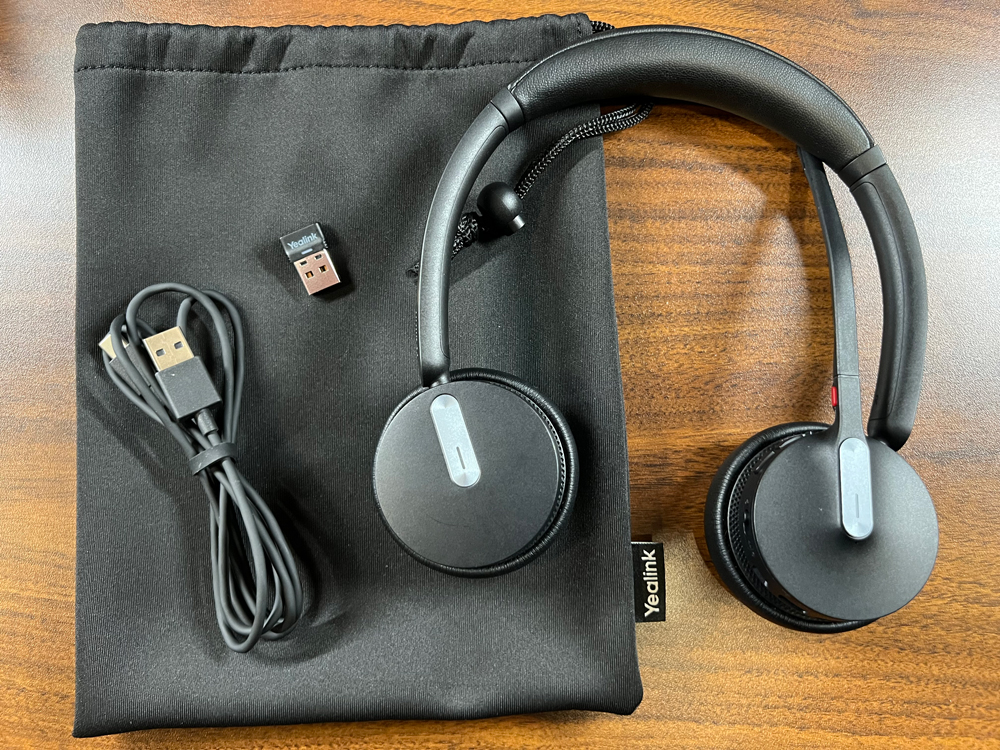
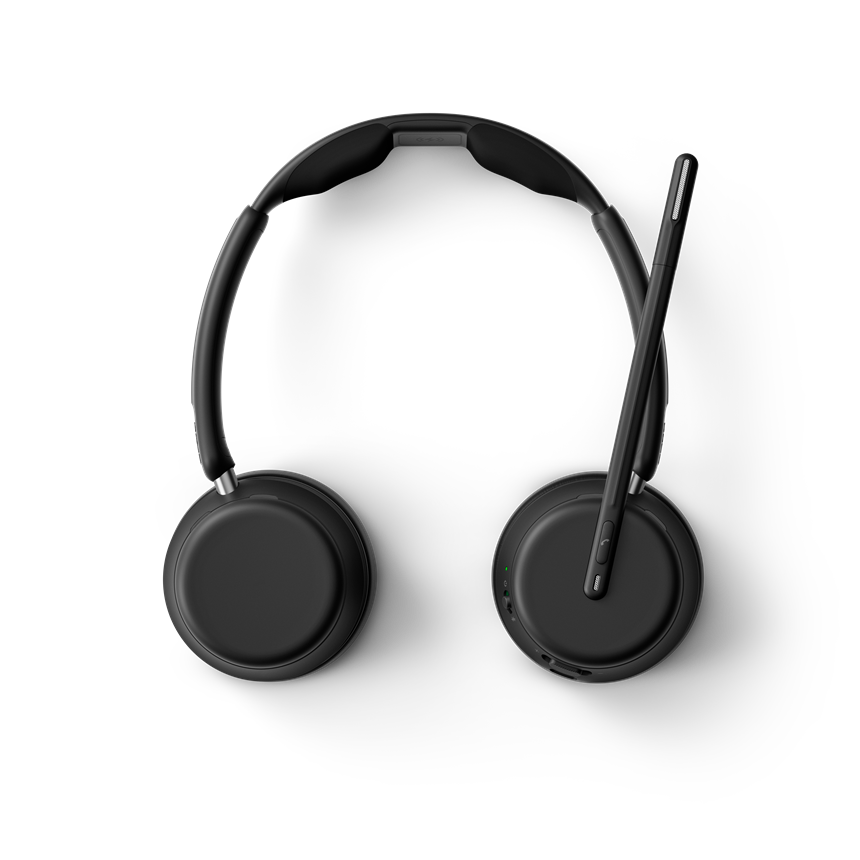
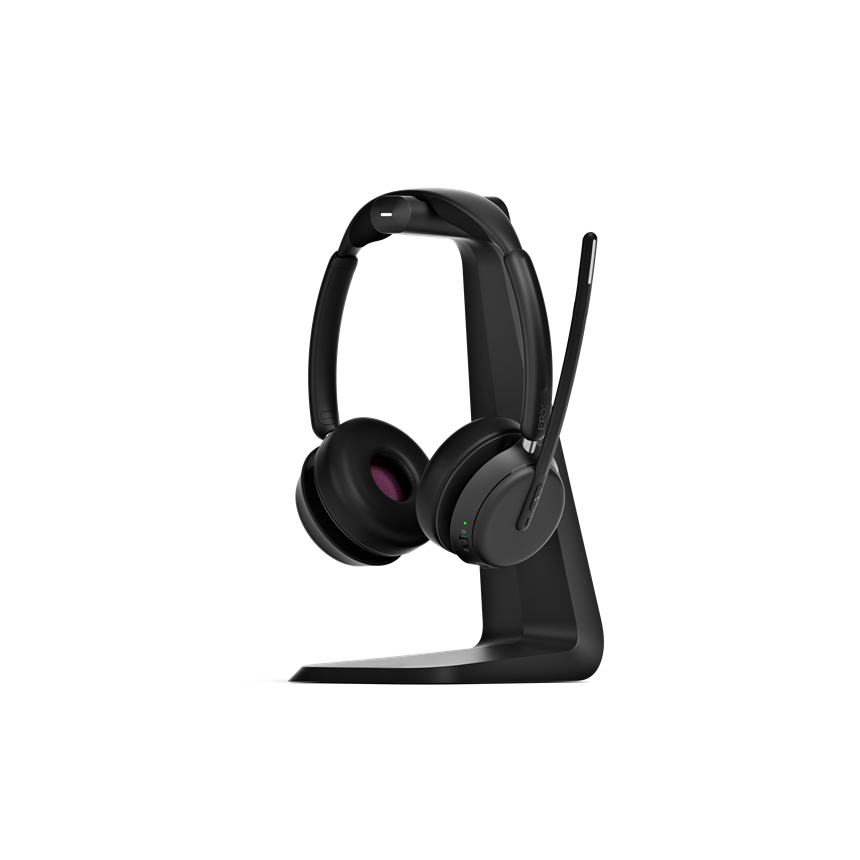
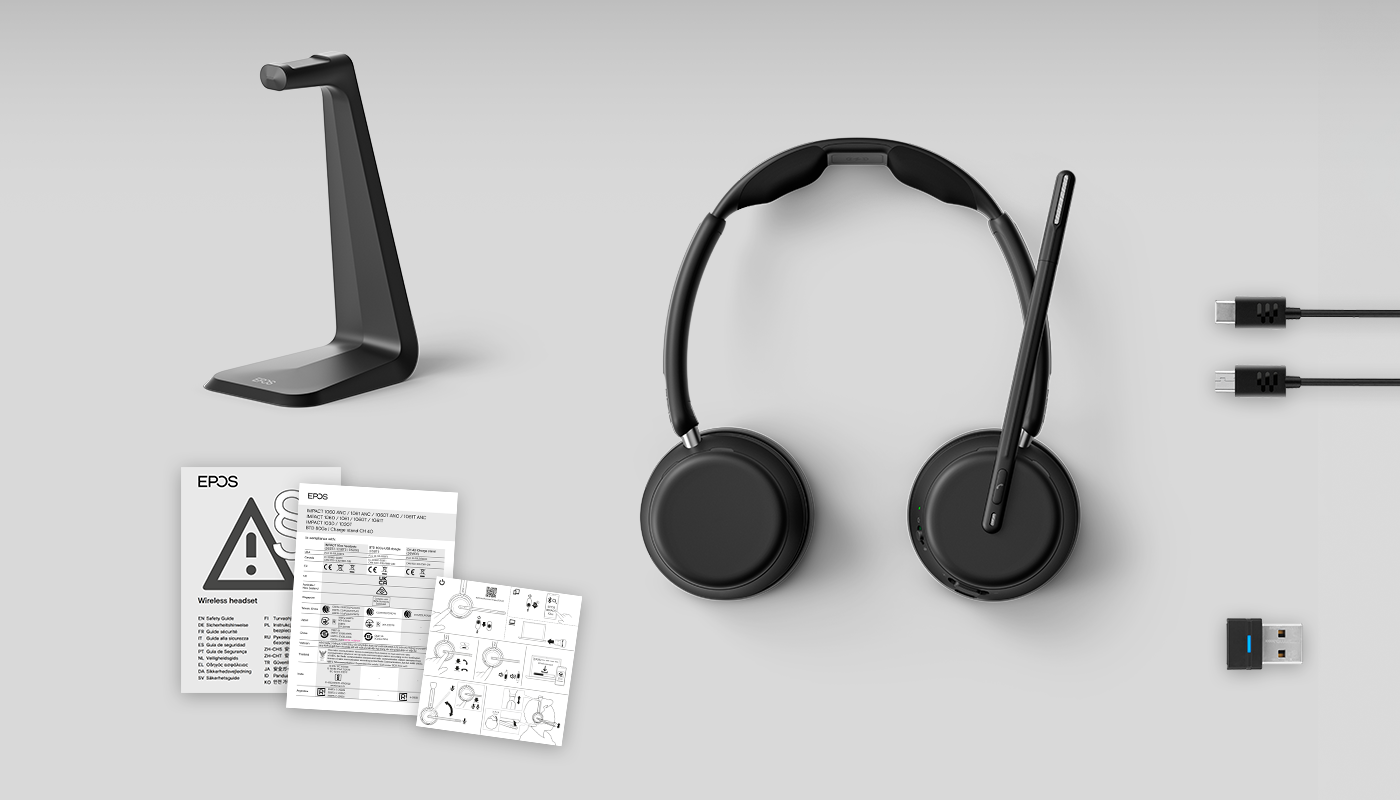
Upon unboxing, the Logitech Zone 305 looks like an upgraded, updated, more modern design wireless version of the top-selling Logitech H390. Logitech is known for creating aesthetically pleasing products, and the Zone 305 is no exception. The headset is lightweight (only 122g) and comfortable, suitable for extended use throughout the workday. I have the Teams certified model that includes the Zone 305 headset, USB-C receiver, USB-C to USB-A adapter, USB-C to USB-C charging cable, Travel bag, and User documentation. Here are the three Zone 305 for Business Models:
Key Features and Specifications
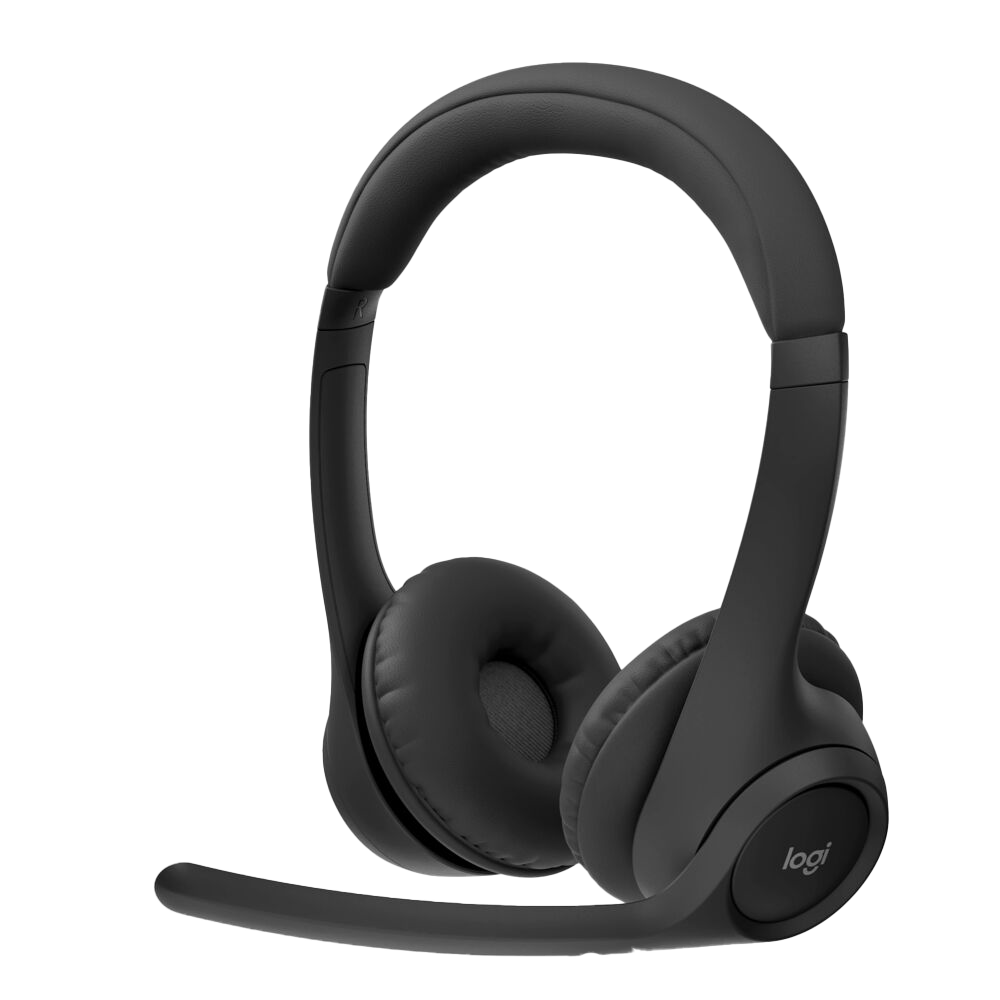


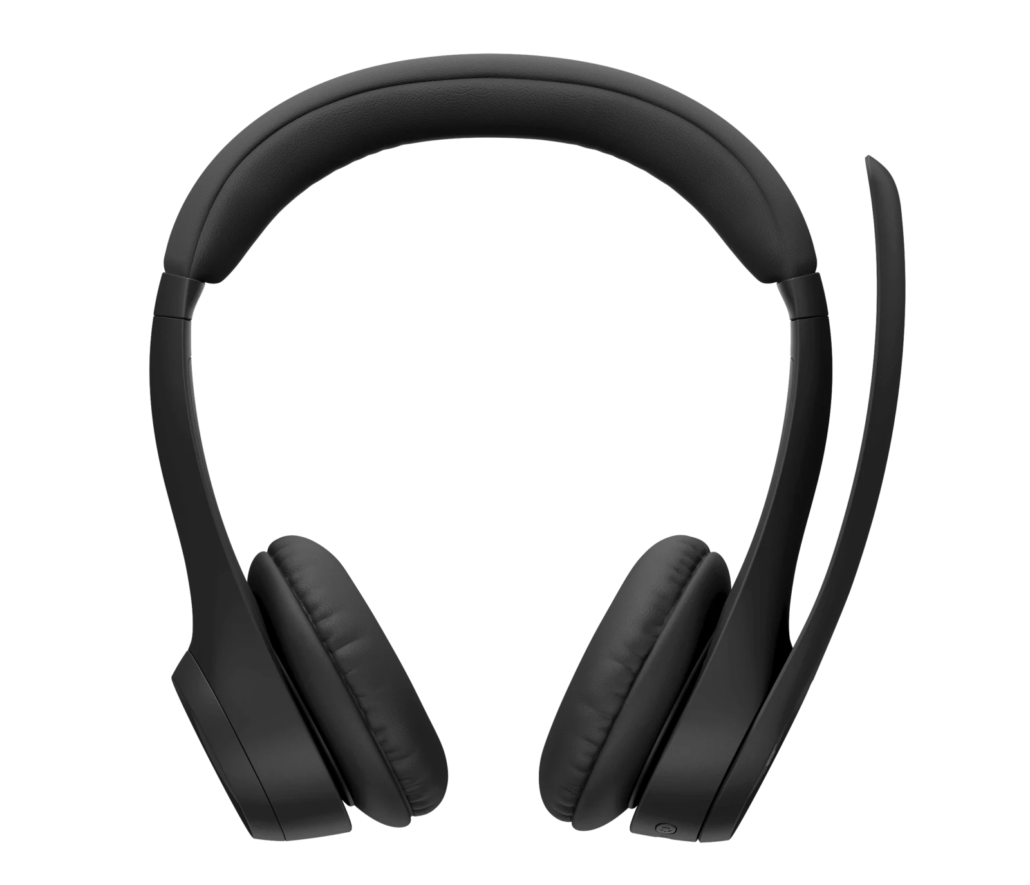
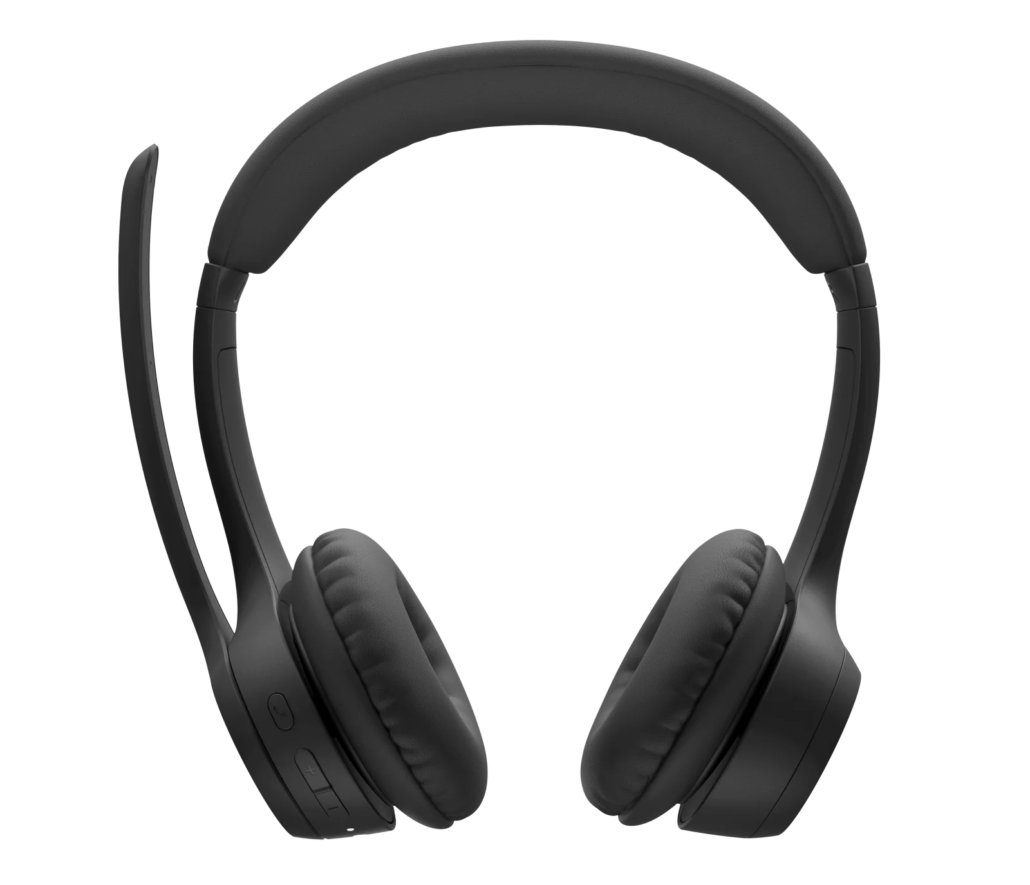
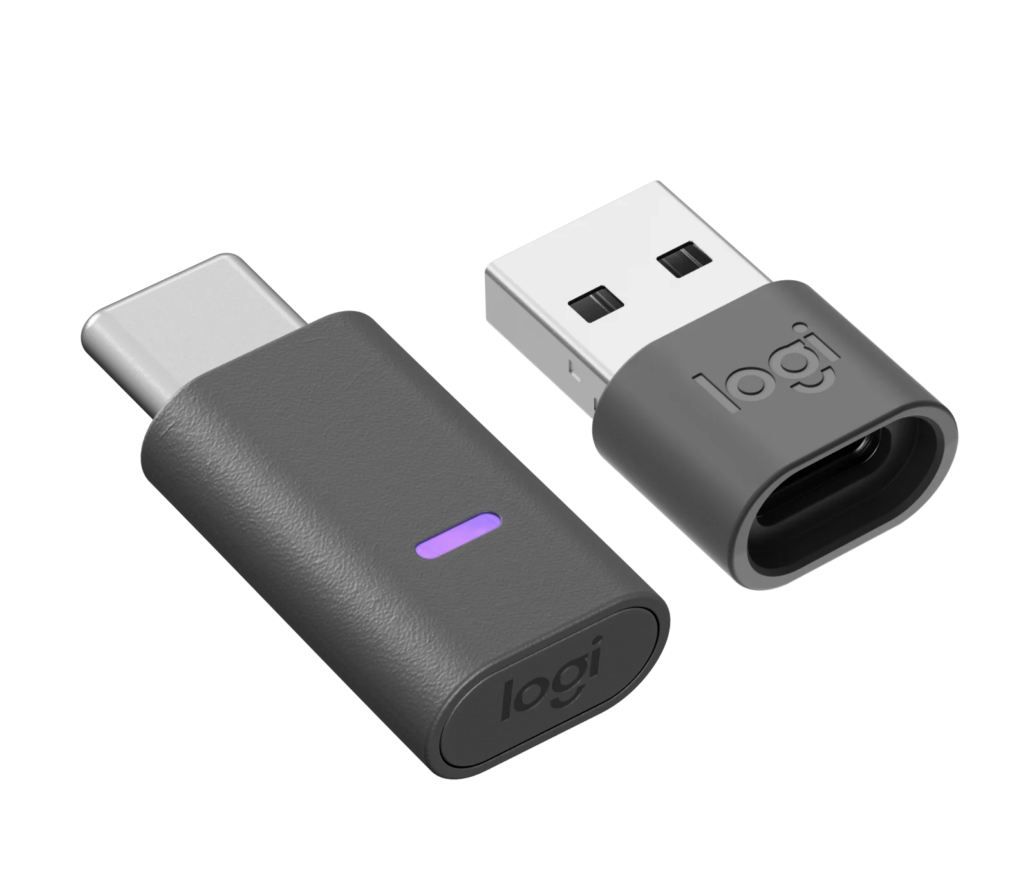

1. Crystal-Clear Audio: The Zone 305 has advanced audio drivers that deliver crystal-clear sound quality. Whether on a conference call, listening to music, or watching videos, the audio experience is immersive and precise.
2. Noise-Canceling Microphone: Background noise can be a significant distraction regardless of the work environment. The Zone 305 features a noise-canceling microphone that filters out ambient noise, ensuring your voice is loud and clear during calls.
3. Teams Version with Native Bluetooth: One of Zone 305’s standout features is the Teams version, which has native Bluetooth support. This makes it incredibly easy to pair the headset with multiple devices and switch between them seamlessly. It’s perfect for professionals who need to stay connected on the go.
4. All-Day Comfort: Comfort is crucial for headsets, especially those who wear them for extended periods. The Zone 305 is designed with soft ear cushions and an adjustable headband, providing all-day comfort without compromising on durability. And it only weighs 122g, or as much as a standard deck of playing cards.
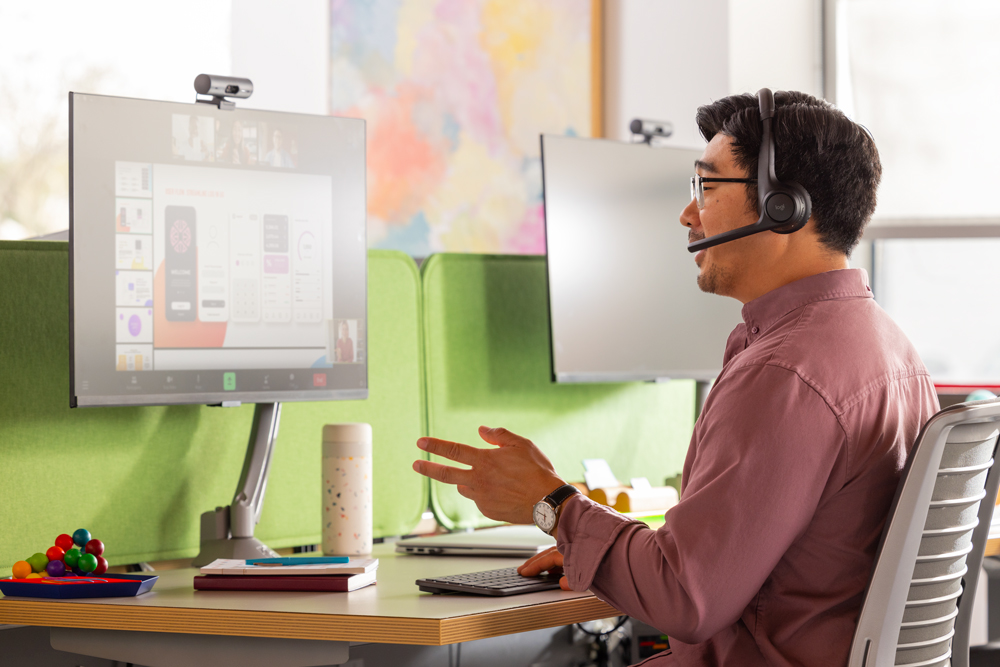
5. Move Around Freely with Great Battery Life: The Zone 305 will connect reliably to two devices with up to 30 m / 98 ft wireless range via Bluetooth or plug-and-play USB-C receiver, allowing you to move around your workspace. The Logitech Zone 305 provides up to 16 hrs of talk time and 20 hrs of listening time to support an entire workday and then some. You can get a full charge in 2 hours and up to 1-hour of talk time with a 5-minute quick charge.
6. Easy Controls and Integration: The headset features intuitive on-ear controls for adjusting volume, answering calls, and activating voice assistants. Additionally, it integrates smoothly with popular collaboration platforms, including Microsoft Teams, Zoom, and Google Meet. The Teams-certified models have a dedicated Teams button.
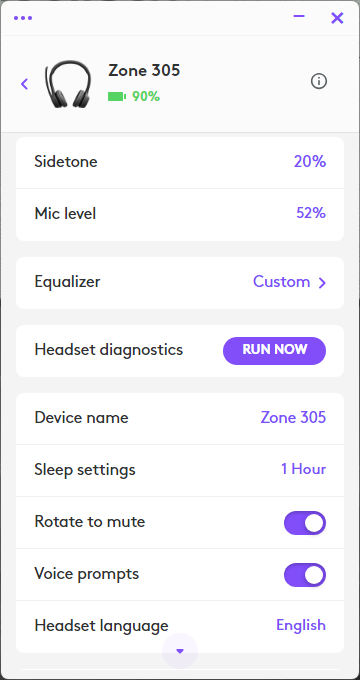
7. Customize via Logi Tune: Zone 305 can be managed by Logi Tune, allowing you to customize the settings to your preferences. Within Logi Tune, you can see the remaining available battery life and check for firmware updates. Other available settings and options: Sidetone (0%-20%), Mic level (0%-100%), Equalizer (Default, Volume boost, Podcast, Bass boost or Custom), Headset diagnostics (Test speakers and mic), Device name (Allows you to rename headset), Sleep settings ( 5 min, 10 min, 15 min, 30 min, 1 hr, 2 hr, 4hr or Never), Rotate to mute (turn on/off), Voice prompts (turn on/off), Headset language (English, French, Spanish, German, Italian, or Portuguese), and Connected devices: See which devices the Zone 305 is currently connected to.
8. Competitive Pricing: Cost is a crucial factor for large enterprises with mass deployments. The Logitech Zone 305 is priced competitively, starting at an MSRP of $69.99 for the Teams version with native Bluetooth. For those requiring UC and Teams Certified models with dongles, the MSRP is $99.99. This affordable pricing makes it an attractive option for businesses looking to equip their teams with high-quality headsets without breaking the budget.

Commitment to Sustainability
In today’s world, sustainability is more important than ever, and Logitech has taken significant steps to ensure that Zone 305 for Business is an environmentally responsible choice. Here’s how:
1. Made with Recycled Plastic: Zone 305 is made with 55% post-consumer recycled plastic, helping to reduce waste and minimize the environmental impact of new plastic production.
2. Responsible Packaging: The headset comes in FSC™-certified paper packaging, ensuring that the materials used are sourced from responsibly managed forests that provide environmental, social, and economic benefits.
3. Certified Carbon Neutral: The Zone 305 is certified carbon-neutral. This means that the carbon impact of the product and its packaging has been reduced to zero through Logitech’s investment in carbon offsetting and removal projects. This commitment to carbon neutrality is a testament to Logitech’s dedication to sustainability.
4. Replaceable Parts: To enhance the product’s longevity, the Zone 305 features replaceable earpads. This not only extends the headset’s life but also reduces the need for frequent replacements, further contributing to environmental conservation.
Hands-On Experience

The Logitech Zone 305 was easy to charge; simply connect via the included USB-C charging cable. Setting up was easy. I connected the USB-C receiver (dongle) to my Logi Dock and turned the headset on. Logi Tune recognized the headset and notified me of an update. Pairing the Zone 305 to my mobile phone was easy; I pressed the power button until it went into pairing mode. I select “Zone 305” on my Bluetooth menu, and they “connected.” After pairing it with my mobile and updating the firmware, I used Zone 305 in Zoom, Teams, Google Meet, and mobile calls. The headset’s sound quality is exceptional, making my virtual meetings and calls more productive and enjoyable. The noise-canceling microphone ensures I am heard clearly, even in a noisy environment (Yes, I have done the blender test!).
The comfort of the headset is another highlight. The lightweight design and cushioned ear pads make it easy to wear for hours without discomfort. Whether working at my desk or moving around my home office, Zone 305 stays securely in place.

Conclusion
The Logitech Zone 305 for Business is a versatile and high-performing headset that meets the demands of today’s professionals. Its combination of superior audio quality, noise-canceling capabilities, and seamless connectivity makes it an ideal choice for anyone looking to enhance their communication experience. The Teams version with native Bluetooth is particularly noteworthy, offering flexibility and convenience that is hard to match.
With competitive pricing starting at just $69.99 for the Teams version with native Bluetooth and $99.99 for UC and Teams Certified models with dongles, the Logitech Zone 305 is an attractive option for large enterprises looking for cost-effective yet high-quality audio solutions. The commitment to sustainability, using recycled materials, responsible packaging, carbon neutrality, and replaceable parts makes it a conscientious choice for environmentally aware organizations.
If you’re in the market for a new business headset, the Logitech Zone 305 is worth considering. Its innovative features and user-friendly design make it a standout option for individual users and teams. I recommend contacting a Logitech Business Authorized Reseller like Call One, Inc. for additional information on Logitech’s audio and video solutions for personal and team workspaces.
Stay tuned for more updates and reviews as I continue to test and explore the latest tech products in the industry. In the meantime, check out our latest product review and demo videos!